
[rank_math_breadcrumb]
Most homeowners begin a remodeling project focused on the end result. They’re thinking about how the kitchen will look, how the bathroom will function, or how the space will feel once everything is complete. And while those outcomes matter, they are not what ultimately define whether the remodeling experience feels successful.
What tends to matter more, especially in hindsight, is how the project was managed along the way.
- Did you feel like you understood what was happening and why decisions were being made?
- Were issues identified early, or did they show up later when they were more disruptive to fix?
- Did the project feel steady and predictable, or did it constantly shift as new information came to light?
In a place like Northern Virginia, where homes often require structural changes, electrical upgrades, and thoughtful planning for a humid Mid-Atlantic climate, a great remodeling experience is rarely just about what you can see. It is usually gauged by how well everything behind the scenes is handled, and whether you had a team you felt comfortable with and trusted. Those are the factors that shape a remodeling experience.
Why Trust Is the Foundation of a Great Remodeling Experience
Over our 40+ years of experience, one pattern we hear over and over again is this: the homeowners who describe their projects as smooth, organized, and ultimately successful are not necessarily the ones with the simplest scope of work or the largest investment. They are the ones who felt confident in the process from the beginning.
That confidence comes from trust.
“When you trust the process and trust the team, you’ll get a solid relationship with Northwood and ideally, a good remodeling experience,” explains Whitney Simons, Operations Manager for Northwood Construction.
“I’m not suggesting blind trust,” adds Whitney, “but informed trust that is built over time, through clear communication, realistic expectations, and consistent follow-through from our team.”
Without trust, the foundation of even a well-designed project can feel uncertain. With it, the experience becomes more predictable, even when challenges arise.
The Role of Planning: Clarity Before Construction
A great experience starts long before construction begins. It begins with clearly defining the scope of work—what is changing, what is staying, and what is intentionally left out. This step is often underestimated by homeowners new to the remodeling process, but it plays a central role in how the project unfolds.
When the scope is not fully defined, decisions are pushed into construction. Layout adjustments, material selections, and finish details are made later than they should be, which introduces pressure and increases the likelihood of a change order, schedule disruption, or missed expectations.
In contrast, when planning is thorough, homeowners can make decisions with context. Whether the project involves a kitchen, bathroom, or whole-home remodeling, the homeowner and the remodeling contractor share a clear understanding of how the project will come together before work begins.
For example, in many Fairfax County neighborhoods, homeowner associations (HOAs) play a significant role in remodeling projects. This is especially common with home additions and exterior remodeling projects, where HOA guidelines, such as those of Reston Association, may influence everything from roofing materials to window styles and exterior color palettes.
Before finalizing your scope or submitting for permits, it is essential to review your HOA’s guidelines and approval process. Some HOAs require detailed plans, material samples, or specific design elements to maintain neighborhood standards.
Failing to secure HOA approval at the right stage can lead to delays or required changes after work has begun, which costs money. A great remodeling team will ask about HOA guidelines early in the process and, if necessary, help you coordinate with your HOA to ensure all requirements are addressed.

Budget Transparency and Realistic Expectations
Budget is another area where the experience is either strengthened or weakened early. Many homeowners begin with a vision and a general idea of what they would like to invest in their renovation. What makes the difference is how quickly that vision is aligned with reality through a detailed written proposal.
A well-managed project includes clear allowances, a defined contingency budget, and direct conversations about how design decisions influence cost, timeline, and long-term ROI. This is especially important in markets like Northern Virginia, where resale value and expectations from Fairfax County buyers, including Vienna, McLean, Reston, Great Falls, and Herndon, can vary significantly by neighborhood.
Take, for example, a Fairfax kitchen remodeling project. Most homeowners understand that Return on Investment (ROI) is a key part of the decision-making process. While a kitchen remodel can significantly improve daily life, it is also one of the most scrutinized investments when it comes to resale, especially since kitchens have become the heart of the home.
In Fairfax County, factors such as layout improvements, material quality, and alignment with the local market all influence the potential return. Discussing kitchen remodeling ROI early with your remodeling team, particularly if you aren’t planning to stay in your home for more than 5-7 years, will help ensure your project balances personal enjoyment with smart financial planning.
When those factors are discussed openly, homeowners can make informed decisions. When they are not, misalignment tends to surface later as change orders, delays, or difficult compromises.
Transparency at the beginning does not limit the project. It gives it direction.
Craftsmanship and Oversight: The Details Homeowners Don’t Always See
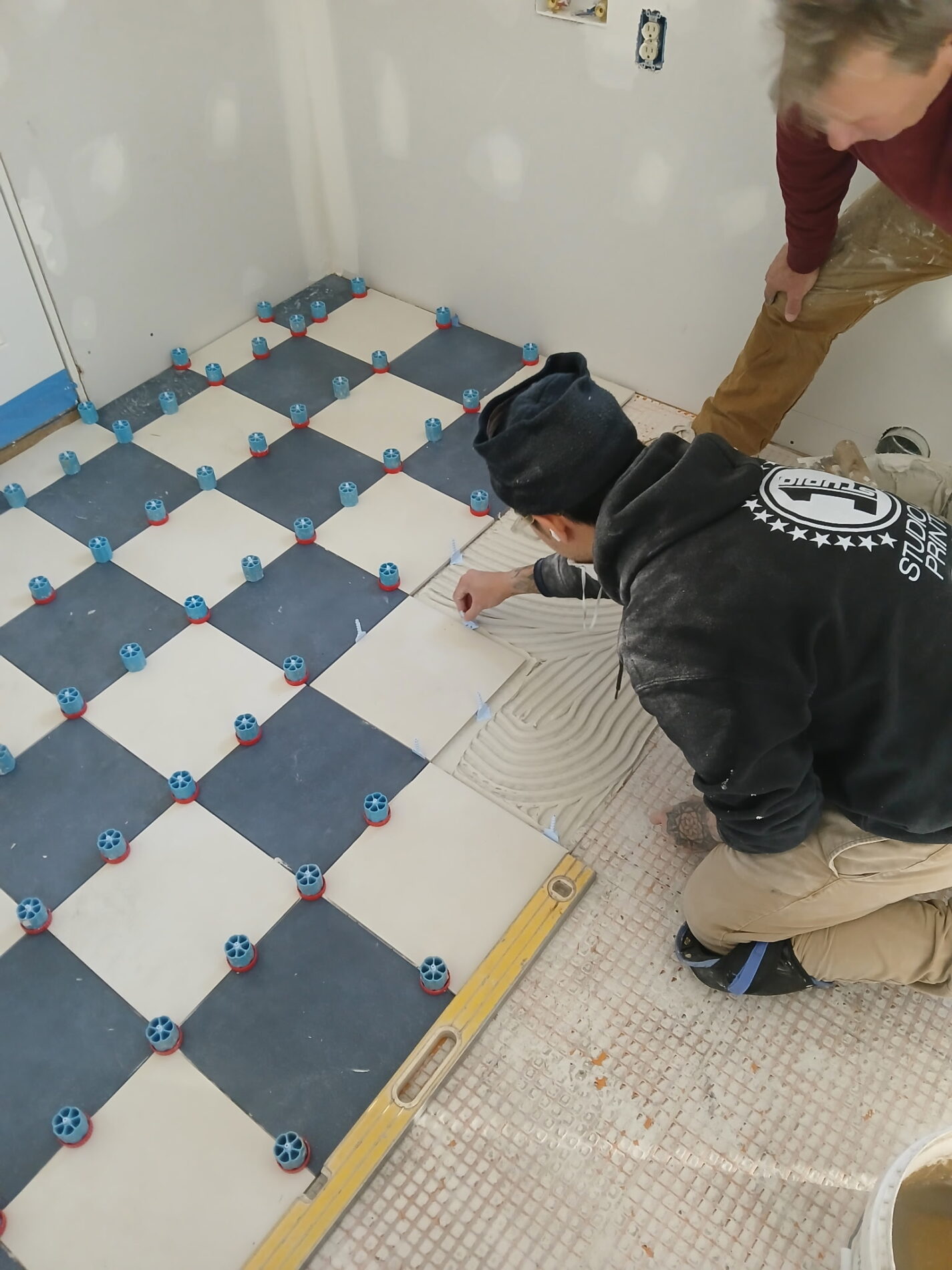
Some of the most important parts of a remodeling experience happen behind the scenes, but they have a direct impact on the final result.
Whitney shared a simple example that often comes up during basement projects. Lumber deliveries can include boards that are slightly bowed or imperfect, yet many crews continue framing under the assumption that the materials are “good enough.”
“Our crew doesn’t do that,” Whitney explains. “We look at the boards one by one to make sure they’re straight and plumb.”
The reason is simple. Those imperfections may not become obvious until much later—after drywall and finishes are installed—when subtle waves or inconsistencies begin to appear in the walls. At that point, correcting the issue means removing finished work, which affects both schedule and cost.
The same principle applies to material deliveries. Cabinetry, plumbing rough-in materials, electrical components, and finish items can arrive damaged, incomplete, or incorrect. If those issues are not identified immediately, they often surface during installation, when projects are most vulnerable to backorders, lead time delays, and schedule disruptions.
“We go through the material and make sure the box isn’t damaged, nothing is missing, and the SKUs match what was ordered,” says Whitney. “The delivery guys have to wait. We don’t just let them drop it and run.”
This level of oversight may seem small in the moment, but it plays a significant role in keeping a project on track. It also reflects the value of having a dedicated on-site project manager who is focused not just on moving work forward, but on protecting the quality of the final result.
Design Leadership and Long-Term Thinking
A great remodeling experience also depends on the quality of design guidance.
Good design is not simply about selecting finishes. It involves understanding how a space will function over time, how materials will perform, and how different elements work together in daily life.
This is particularly true in bathroom remodeling projects, where decisions about waterproofing, ventilation, accessibility, and moisture-resistant materials directly affect long-term performance.
That is especially important in homes where needs are evolving, whether homeowners are balancing work-from-home routines, planning for accessibility, or considering aging-in-place remodeling solutions that support long-term usability.
Providing Flexibility Without Creating Overwhelm
Another factor that shapes the experience is how choices are presented to the homeowner. Some contractors limit clients to a narrow group of vendors. While that may simplify coordination, it can also leave homeowners feeling like they need to settle.
For example, during the planning of a kitchen remodel project, a homeowner fell in love with a dramatic countertop sample, only to discover that the actual slab looked significantly different.
Rather than pushing the selection through, additional vendors were explored to allow the homeowner to compare options and make a confident decision.
The goal was not to create more choices; rather, it was to make sure the homeowner truly loved what was going into the home.
Respecting the Home and the Homeowner
One of the most important parts of a great remodeling experience is respecting the homeowner’s space and daily life.
Remodeling takes place in a home that is often still occupied, which makes details like dust containment, daily cleanup, jobsite safety, and clear work-hour expectations far more important than many homeowners initially realize.
Even small considerations matter.
“For example, does your crew provide their own potties, or are they trying to use yours?” Whitney notes. “That’s the kind of thing that affects how the whole experience feels.”
Remodeling is an emotional journey. A thoughtful, organized approach helps reduce stress and makes the experience feel far more manageable.
Work With a Team You Can Trust
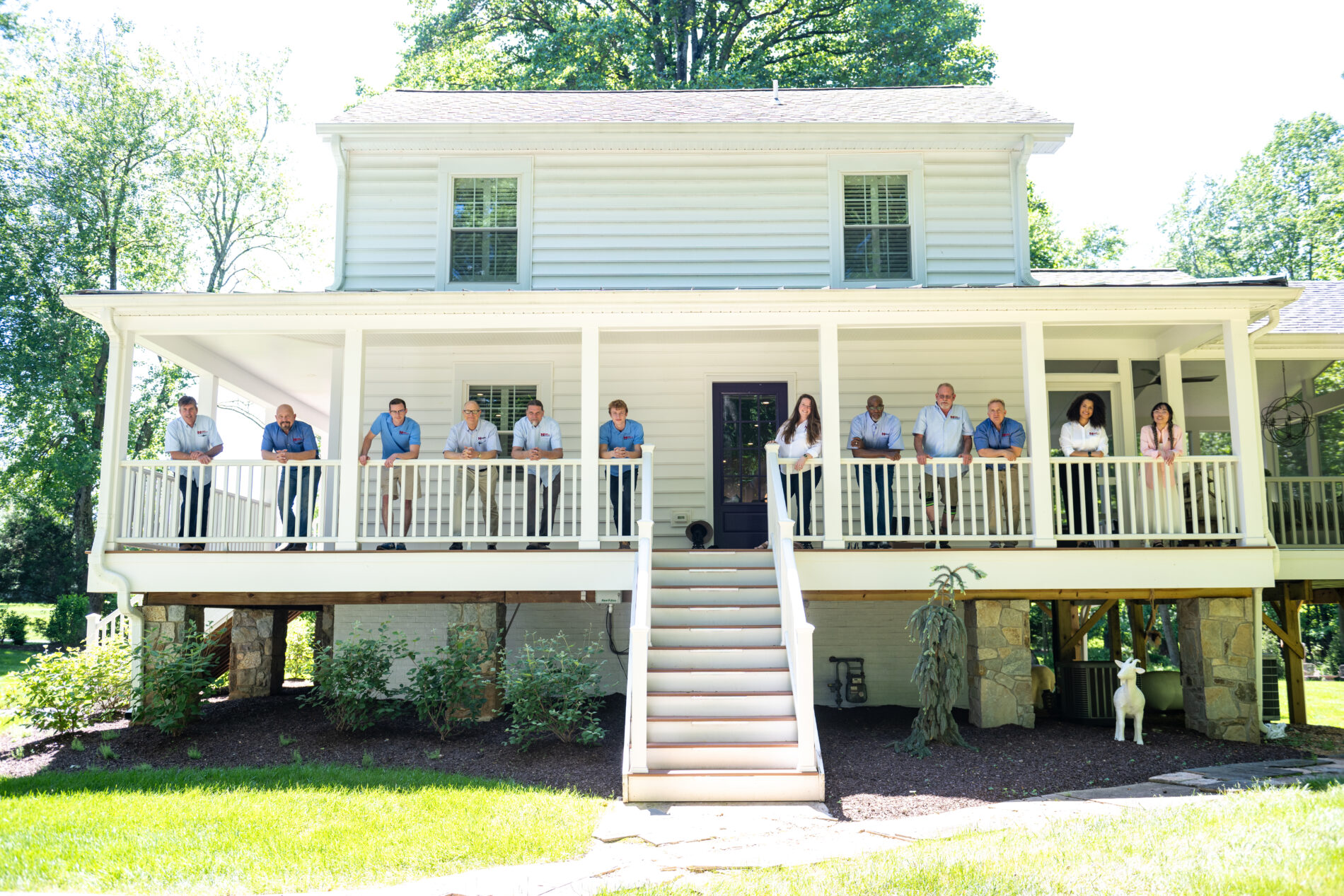
At its core, a great remodeling experience is not defined by a single decision or a specific feature. It is the result of a process that is carefully managed, clearly communicated, and built on trust.
For homeowners in Northern Virginia, working with a team like Northwood Construction means having that structure in place from the beginning.
With over 40 years of trusted experience in residential home remodeling in Northern Virginia, a design-build approach, and full-time, on-site project management, Northwood Construction provides the consistency and transparency that help projects feel manageable from start to finish.
Because the success of a remodeling project is not just about how it looks when it is finished.It is about how it felt to get there.
If you are beginning to think about a remodeling project in Northern Virginia, starting with the right team can make all the difference. Contact us to start the conversation.