
[rank_math_breadcrumb]
Most homeowners don’t start out wondering when to hire a remodeler. They start with something that isn’t working.
The kitchen feels cramped. The bathroom layout no longer makes sense. A parent may be moving in, or maybe it’s just the realization that the home you love isn’t supporting how you live anymore.
That’s usually the moment people reach out.
The challenge? Remodeling doesn’t move at the speed of urgency. Between design decisions, permitting, material ordering, and construction, the projects that feel smooth and well-managed are almost always the ones that started months before the pressure set in.
If you’re in Northern Virginia—whether that’s Fairfax County, Arlington County, or Loudoun County—that timing matters even more.
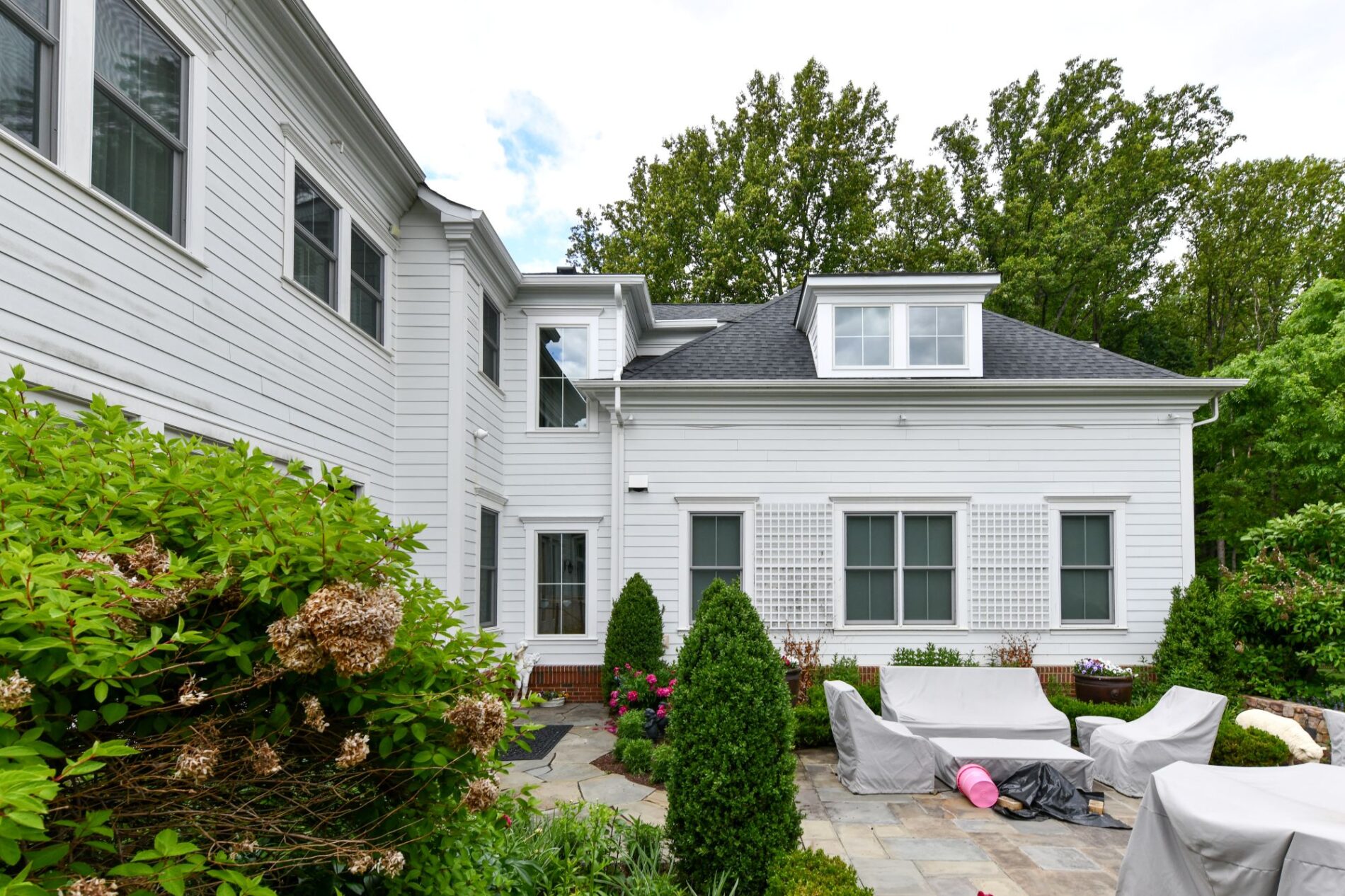
When to Hire a Remodeler (And Why Timing Matters More Than You Expect)
A remodeling project isn’t just construction. It’s a coordinated process that starts long before demolition begins.
What most homeowners don’t see upfront is everything that happens during pre-construction planning. This is where the scope of work is defined, the budget is aligned with real decisions, and a project plan begins to take shape.
It’s also where timeline planning, trade coordination, permits, and structural engineer visits (for proposed structural changes) start to come into focus, along with less obvious factors like lead times and material ordering.
When this phase is rushed—or skipped entirely—you don’t just risk delays. You increase the likelihood of change orders, misaligned expectations, and hidden costs that surface mid-project. That’s what creates the juicy stories that make for great TV (we won’t say where). Outside of the entertainment industry, poor planning often leads to the “budget trap” many homeowners experience.
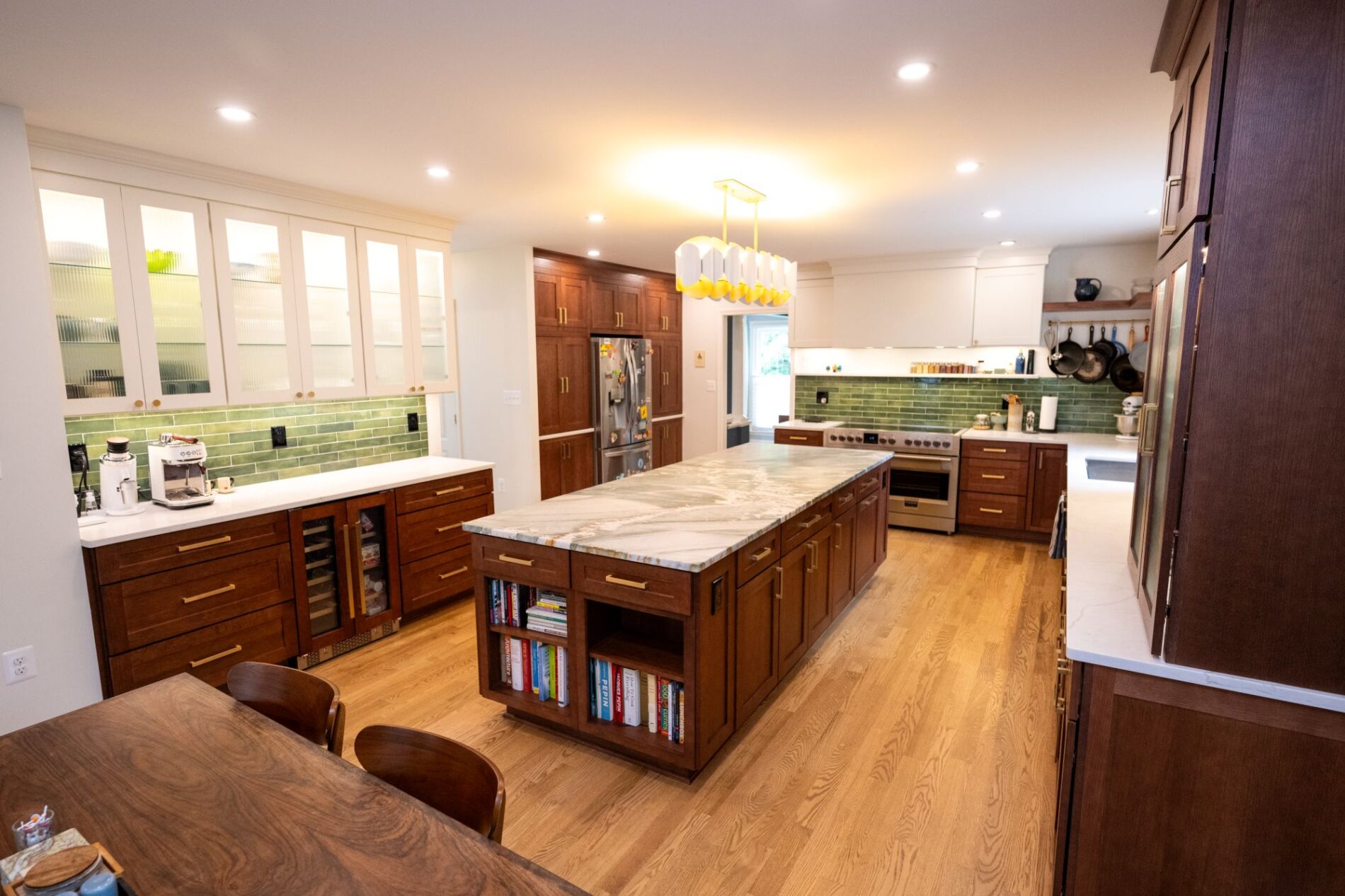
Take, for example, this kitchen remodeling project in Ashburn—an example of how early planning, clear scope, and coordinated execution result in a space that works seamlessly day to day.
The Most Common “Too Late” Scenario
One of the most common patterns remodelers see is homeowners reaching out after major decisions have already been made.
They may have worked with an independent designer or architect, sketched out a layout, or built a timeline around when they “need” the space finished.
At that point, the conversation shifts. Instead of exploring what’s possible, the focus shifts to making an existing plan work within real-world constraints. And this is where friction tends to show up.
A layout that seemed straightforward might require removing a load-bearing wall. Electrical, plumbing, or HVAC updates may be more involved than expected. Or the timeline doesn’t account for HOA approval, permitting, inspections, or material lead times.
Early planning changes that dynamic. It brings construction insight into the process while decisions are still flexible—before plans become expensive to adjust.
What “Early” Actually Means
“Early” doesn’t mean reaching out when you’re ready to start construction next month. It means starting the conversation when you’re still exploring ideas. Here are some examples based on real project timelines:
- A kitchen remodel planned for late fall (especially with a deadline of before Thanksgiving) often needs to begin in early spring.
- A bathroom remodel that takes a few months to complete typically requires two to three months of planning before construction even begins.
- And for a home addition, especially one involving elevators or multi-level space planning, six to nine months or more is often a realistic timeframe.
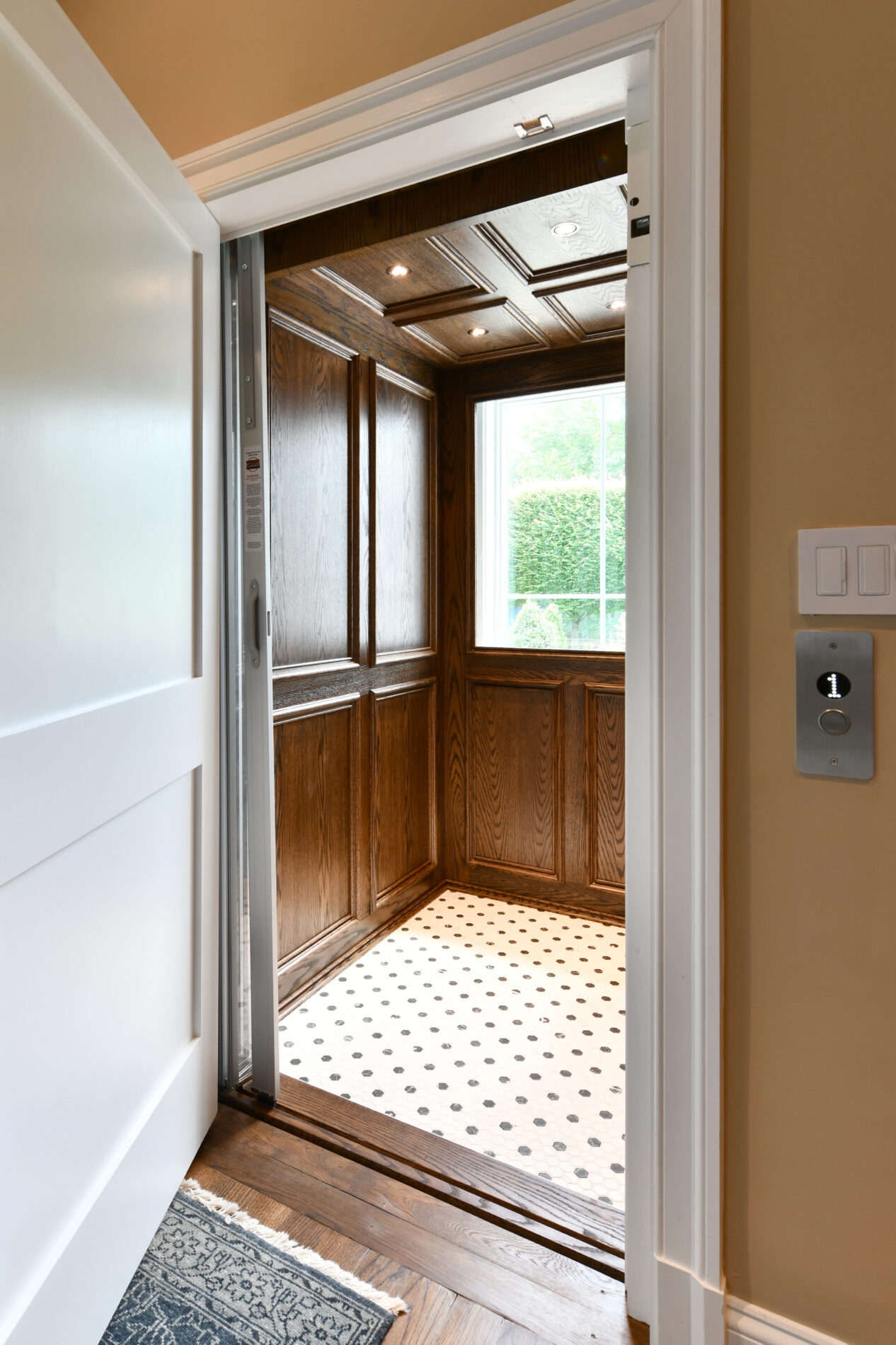
A quick example of why timing matters:
Consider a home addition that includes an elevator for aging in place (like the one pictured here). Most homeowners assume the elevator is just one part of the project, but in reality, it drives a significant portion of the timeline.
“Before the elevator can even be ordered, the shaft (or hoistway) needs to be fully built, drywalled, and wired,” explains Whitney Simons, Operations Manager for Northwood Construction. “That alone can take a couple of months of construction. Only then can the elevator company come out to take final measurements.”
From there, the elevator is ordered, and while quoted lead times might suggest a couple of months, it’s not uncommon for that timeline to stretch significantly. All of that happens before the elevator is even installed.
Whitney notes, “It’s a good example of how certain elements in a project can’t be rushed or reordered, and why starting early is necessary.”
Clear Signs It’s Time to Hire a Remodeler
There’s a common misconception that you need fully formed plans before reaching out. In reality, the opposite is true. If small frustrations in your home are starting to stack up, such as limited storage, poor layout, or spaces that just don’t function well together, that’s often the first sign that a deeper solution is needed.
For homeowners thinking long-term, the decision becomes even more important. Projects tied to aging-in-place remodeling, accessibility upgrades, or creating a more functional forever home benefit from early planning, as they often involve multiple phases and require thoughtful sequencing.
💡 Pro Tip: Once a project touches more than one trade—structure, electrical, plumbing, HVAC—it moves beyond what a handyman or a piecemeal approach can realistically handle.
Hiring a licensed contractor is especially important for projects that require permits or involve significant changes to your home’s structure or systems. A licensed contractor not only meets state and local requirements but also has proper insurance and a proven track record of complying with building code standards. This reduces your risk of failed inspections, project delays, and costly mistakes that can arise when someone unprepared to handle complex work attempts it.
Why Early Planning Leads to Better Outcomes
When homeowners plan a remodeling project, they often focus on timing—when construction starts and when it ends. But early planning is really about understanding what your project actually involves before decisions are locked in, so you’re not reacting to surprises halfway through construction.
1. It starts with a clearly defined scope
One of the biggest differences between a smooth project and a stressful one comes down to how clearly the scope of work is defined upfront. Without that clarity, assumptions tend to fill in the gaps. And that’s when things start to shift.
- A wall that seemed simple to remove turns out to be structural.
- What looked like a straightforward update reveals outdated wiring.
- A homeowner provides a Pinterest picture they love, but what is actually built isn’t the same due to existing conditions
- Or during demolition, signs of water damage, rot, or mold risk begin to surface.
These issues aren’t unusual, especially in Northern Virginia’s older housing stock. But when they aren’t accounted for early, they show up later as change orders, added costs, and delays.
At Northwood Construction, a significant amount of upfront research goes into understanding the home before a final scope of work is developed. This is a necessary step (that, unfortunately, other remodeling contractors may choose to skip). It ensures that both the homeowner and our team are as prepared as possible for what may be uncovered behind the walls.
2. A realistic timeline is built, not guessed
A well-planned remodeling timeline reflects more than just construction. It accounts for permitting, scheduling inspections, coordinating trades, and managing material lead times. It also considers how to properly sequence the work so one phase doesn’t unintentionally delay another.
For home additions in particular, early planning often begins with zoning and environmental due diligence. That can include reviewing house location plats and county data to understand setbacks, confirming the property’s zoning, and checking for nearby water features, such as streams or lakes, that could place the home within a protected area.
In parts of Fairfax County and Arlington County, regulations tied to the Virginia Department of Environmental Quality’s Chesapeake Bay Preservation Act and related flood zone requirements can directly impact where and how an addition can be built. These considerations tend to be less common in Loudoun County, but they’re still part of the broader picture.
None of this is visible when you’re first thinking about adding space to your home, but it can significantly influence both the design and the timeline. When these factors are identified early, the project can move forward with far fewer surprises. When they’re not, they often show up later as delays, redesigns, or unexpected constraints.
3. Budget decisions are made with full context
Budget alignment is one of the most common sources of stress in a remodeling project, and it often comes down to when decisions are made. Early planning with a company such as Northwood that has an established design-build remodeling process connects the dots among design, materials, and cost. Instead of reacting to pricing later, homeowners can make informed decisions about where to invest, where to simplify, and how allowances and exclusions shape the overall project.
It also helps avoid situations where a low bid looks appealing upfront but doesn’t fully reflect the scope. Those gaps tend to surface during construction, which is how many homeowners end up facing unexpected costs.
4. A phasing plan becomes intentional, not reactive
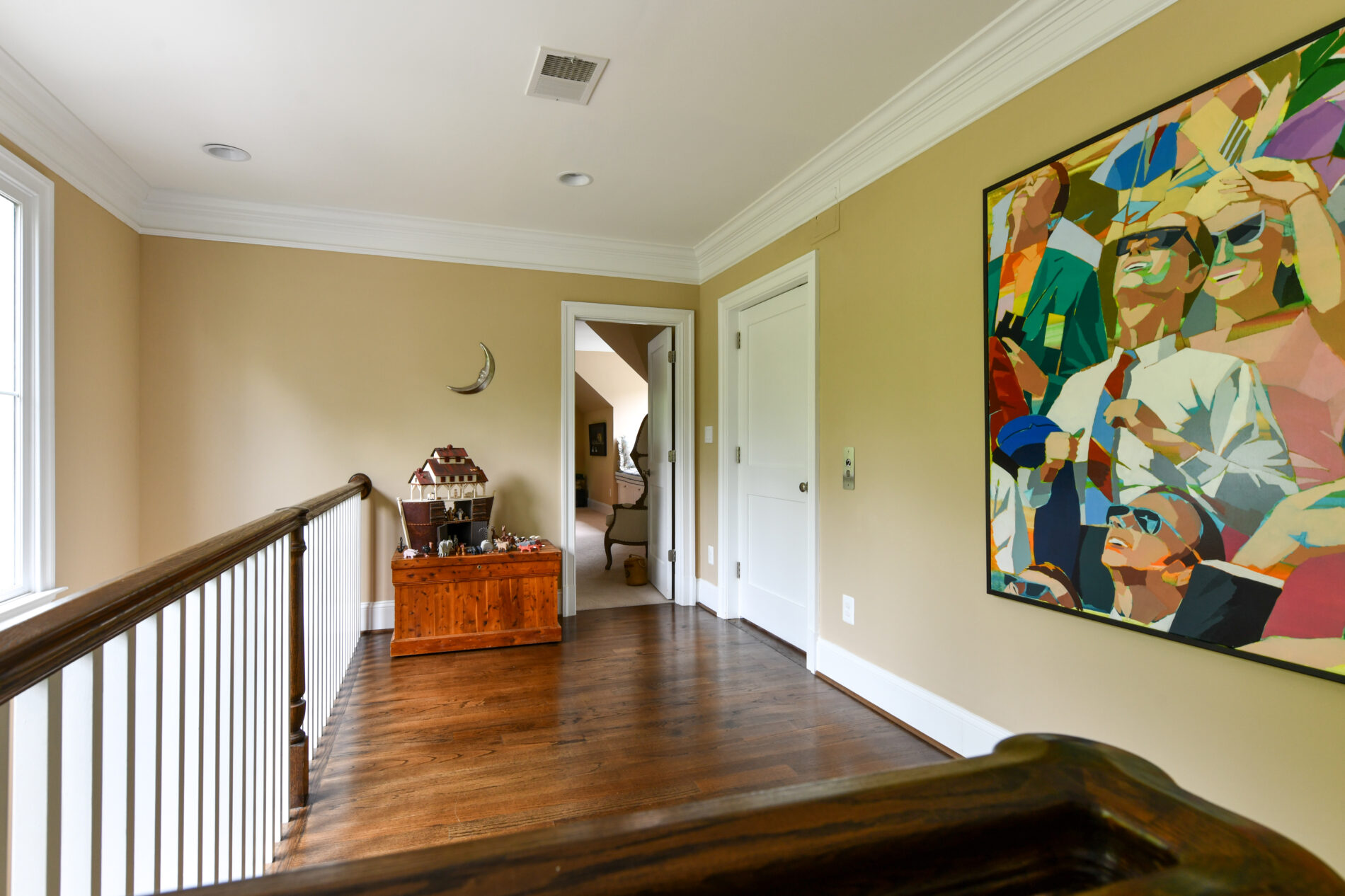
Not every project needs to happen all at once. For homeowners planning to stay long-term, especially those considering accessibility or universal design, a phased approach can make sense. However, there are other times when a multi-room renovation makes more sense because of the time and money you’ll save.
The key is to find a remodeling firm that you are comfortable enough with to have these conversations. Without that foresight, future phases can become more complicated and more expensive than they need to be.
Local Factors That Affect Timing in Northern Virginia
Remodeling in Northern Virginia comes with its own set of variables that directly impact timing.
- In Arlington County, older homes often bring tighter lot constraints, more complex zoning considerations, and a higher likelihood of outdated systems behind the walls.
- In Fairfax County, projects may require special permits from the Board of Zoning Appeals (BZA), particularly for additions that encroach on setbacks.
- And in Loudoun County, HOA approval processes or detailed review through the Loudoun County building department, particularly for structural changes and additions, can affect both timeline and design decisions, especially for exterior work or additions.
These aren’t obstacles, but they are important considerations. And they’re much easier to navigate when they’re part of the plan from the beginning.
A Simple Timeline: From Idea to Build
Every project is different, but most follow a similar path.
- It begins with an initial conversation—understanding your goals, your home, and how you want the space to function.
- From there, the focus shifts into pre-construction planning. This is where the design is developed, the scope of work is finalized, and the budget is aligned with real decisions.
- Permitting and approvals follow, along with material ordering based on lead times.
- Construction then moves through demolition, rough-ins, installation, and coordination across trades.
- And finally, the project wraps with a final inspection, a punch list, and completion.
Each step builds on the one before it. Skipping ahead may seem to save time, but it often creates more complexity in the long run.
Related Reading: We have several pieces of content on our website to help you understand remodeling timeframes:
- Our Home Remodeling Process
- Behind the Scenes: Our Design Build Process for a Less Stress Remodel
- Our Remodeling Cost Guide takes the guesswork out of planning your next project by going into more detail on timeframes, scope creep, and setting a remodeling budget.
Key Takeaways for Northern Virginia Homeowners
If there’s one takeaway, it’s this: The best time to hire a remodeler is before you feel ready. Not when the timeline is tight. Not after plans are finalized. But when you’re still asking questions about what’s possible, what it will cost, and how the project should unfold over time.
That’s where the right guidance makes the biggest difference.
If you’re starting to think through a project in your home, the team at Northwood Construction can help you navigate those early decisions—so you move forward with clarity, not guesswork. No matter how far along you are with exploring ideas, reach out to us.