
When homeowners call Northwood Construction, many are trying to decide whether they need a home addition or reconfiguration of the space they already have. Most begin the conversation assuming they need more square footage, but once we walk through their home together, we often discover something surprising:
It’s not more space they need. It’s a better use of the space they already have.
Understanding whether a home addition or reconfiguration is the smarter solution starts with how you live, how your rooms function, and what isn’t working today.
1. Do You Really Need an Addition—or Just Better Use of Space?
Before discussing construction, we start with a conversation about how you live. That means understanding:
- Who lives in the home
- How each room is used daily
- What feels cramped, awkward, or inconvenient
- Whether needs will change in the next 5–10 years
Often, the pain points aren’t tied to size at all, but to a layout that no longer fits the household. Before considering an addition, it’s essential to understand the real “why” behind the project.
2. How to Evaluate Your Home’s Layout Before Adding On
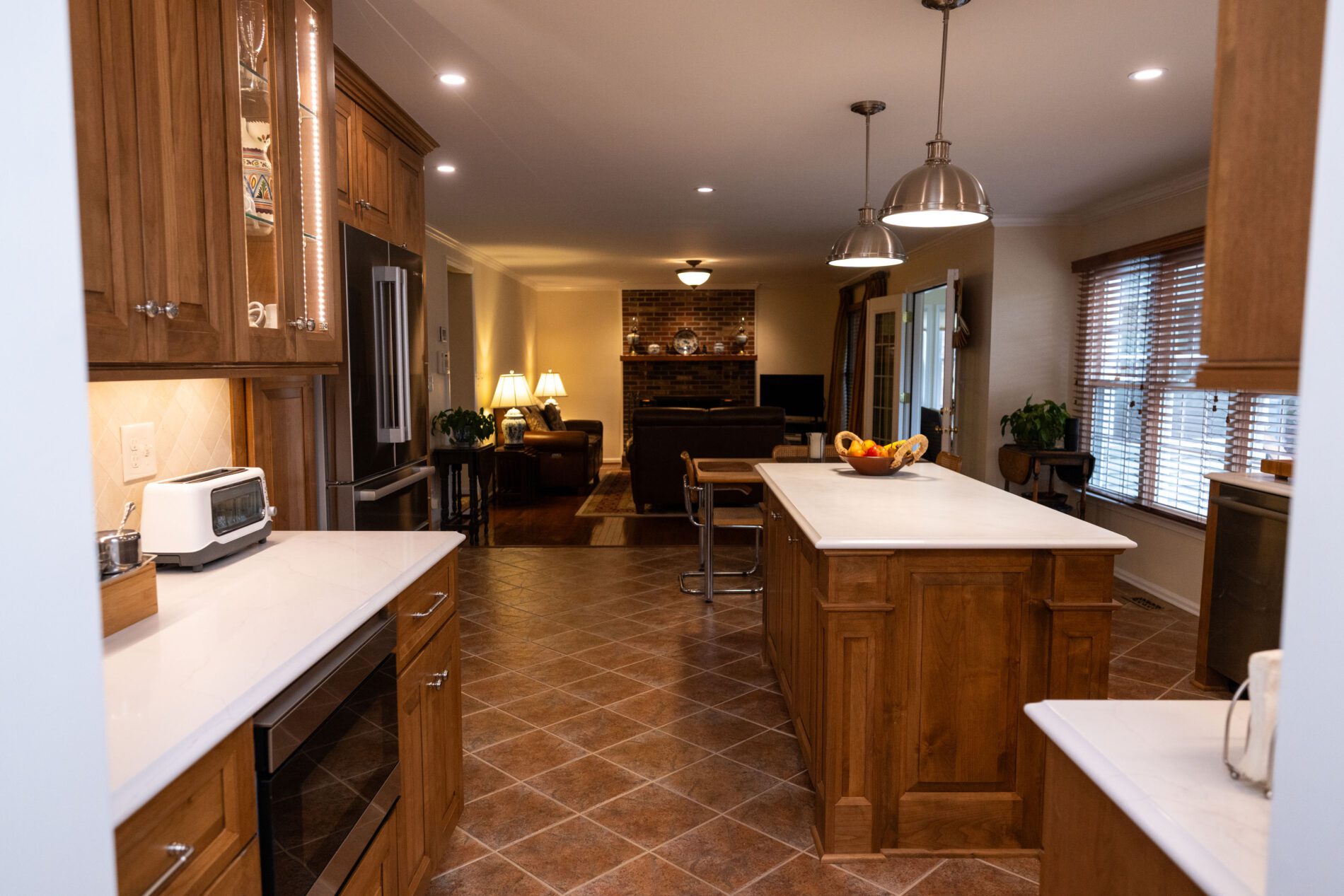
One of the most common discoveries during our walkthroughs is that the home’s existing footprint has far more potential than the homeowner realizes.
Older homes in Northern Virginia often have:
- Small, segmented rooms
- Narrow doorways
- Multiple competing hallways
- Kitchens are isolated from the rest of the home
- Primary suites broken into several inefficient, compartmentalized spaces
By reworking the floor plan, which includes removing walls, widening door openings, rethinking circulation, or consolidating divided areas, we can create larger, more functional spaces without adding an inch to the home.
A reconfiguration can:
- Open the kitchen to adjacent living spaces
- Create a spacious primary suite from fragmented rooms
- Improve traffic flow and overall usability
- Add storage where it matters most
- Make the home feel significantly bigger
For many homeowners, this approach checks every box they initially thought required an addition.
3. When an Addition Truly Makes Sense
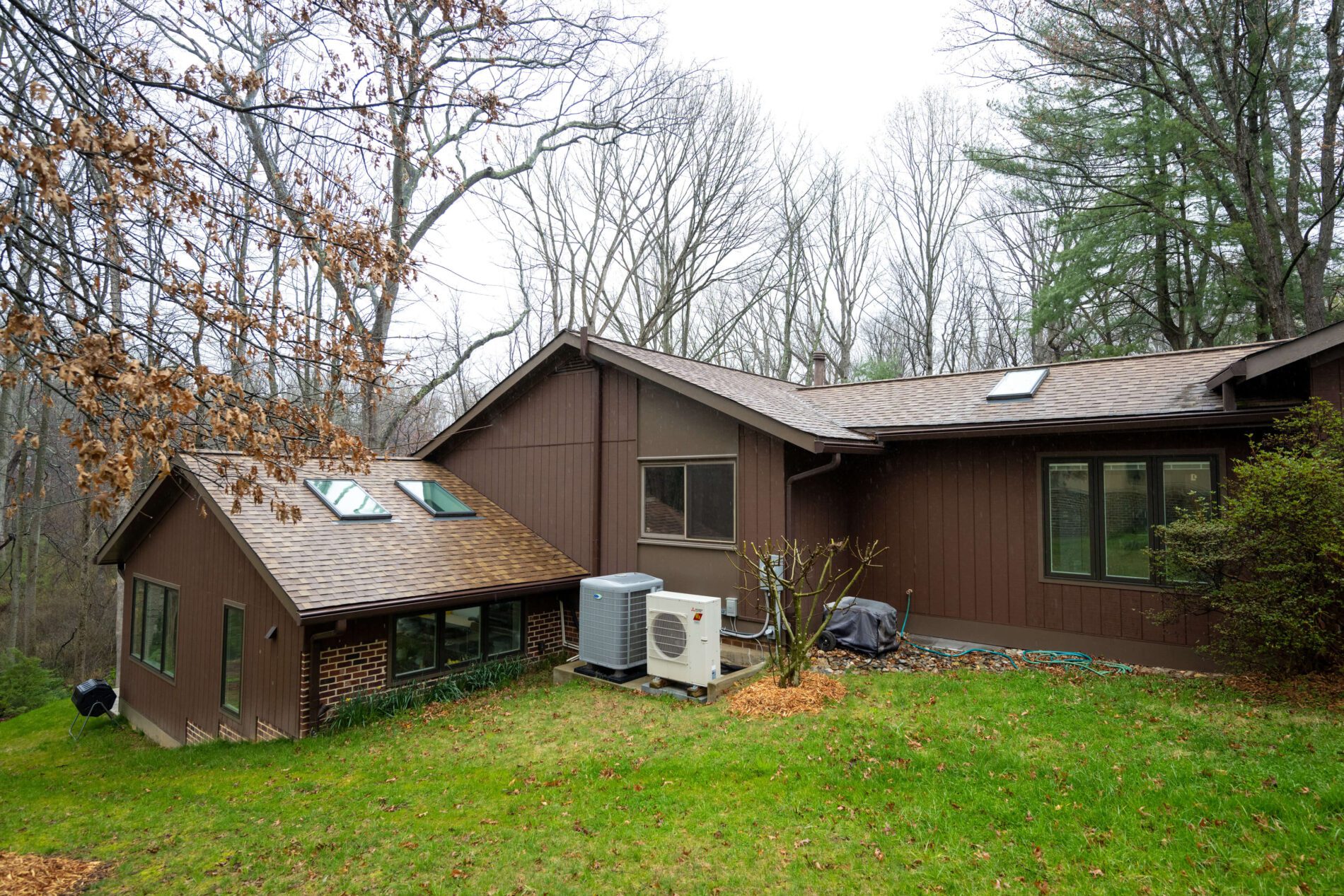
There are times when building out is the right solution. Typically, a home addition is ideal when:
- The household is growing (multi-generational living, long-term guests, returning adult children)
- A new primary suite or family room simply can’t fit within the current footprint
- There’s a need for specialized space, such as a first-floor suite for aging parents
- The existing layout is already optimized, leaving no realistic space to borrow
In these cases, additional square footage brings genuine value and supports long-term comfort.
However, an addition is also a larger investment. It often involves:
- Foundation work
- Exterior materials and roofing
- Relocating utilities or mechanical systems
- More extensive permitting
- Potential zoning or setback considerations
- Possible site reviews or stormwater requirements
We help homeowners understand these implications early so they can make confident decisions.
4. Zoning, Architecture, and Your Property Itself Matter More Than You Think
Before planning an addition, we evaluate whether expanding the footprint is even feasible. Northern Virginia homes in established neighborhoods may face:
- Lot coverage limits
- Property line setbacks
- HOA restrictions
- Mature trees or grading challenges
- Architectural considerations to make sure the addition matches the original home
Even when an addition is possible, it must look like it has always belonged there. Maintaining the home’s character is just as important as adding space.
5. Costs: Why Reconfiguring Often Delivers the Best Value
While both approaches can dramatically improve your home, reconfiguration generally costs less than building a home addition. That’s because it works with what you already have.
Reconfiguring space often means:
- Fewer structural changes
- Less utility relocation
- No site work or foundation
- Fewer exterior materials
- Lower permitting fees, in some instances. However, some jurisdictions charge more for interior alterations than for a plain room addition
Homeowners are often surprised at how impactful these interior transformations can be and how much value they add.
6. Real-Life Examples of Reconfigurations and Additions in Northern Virginia
Every home and household has its own set of challenges, which is why there’s no one-size-fits-all answer to whether you should add on or rework your existing layout. After walking hundreds of homes throughout Northern Virginia, we’ve seen firsthand how different the “right” solution can be from one project to the next.
Sometimes an addition is precisely what a family needs. Other times, the most impactful transformations come from reimagining the space already there.
Here are two examples that show how thoughtful evaluation leads to the smartest path forward:
Reimagining a Primary Suite
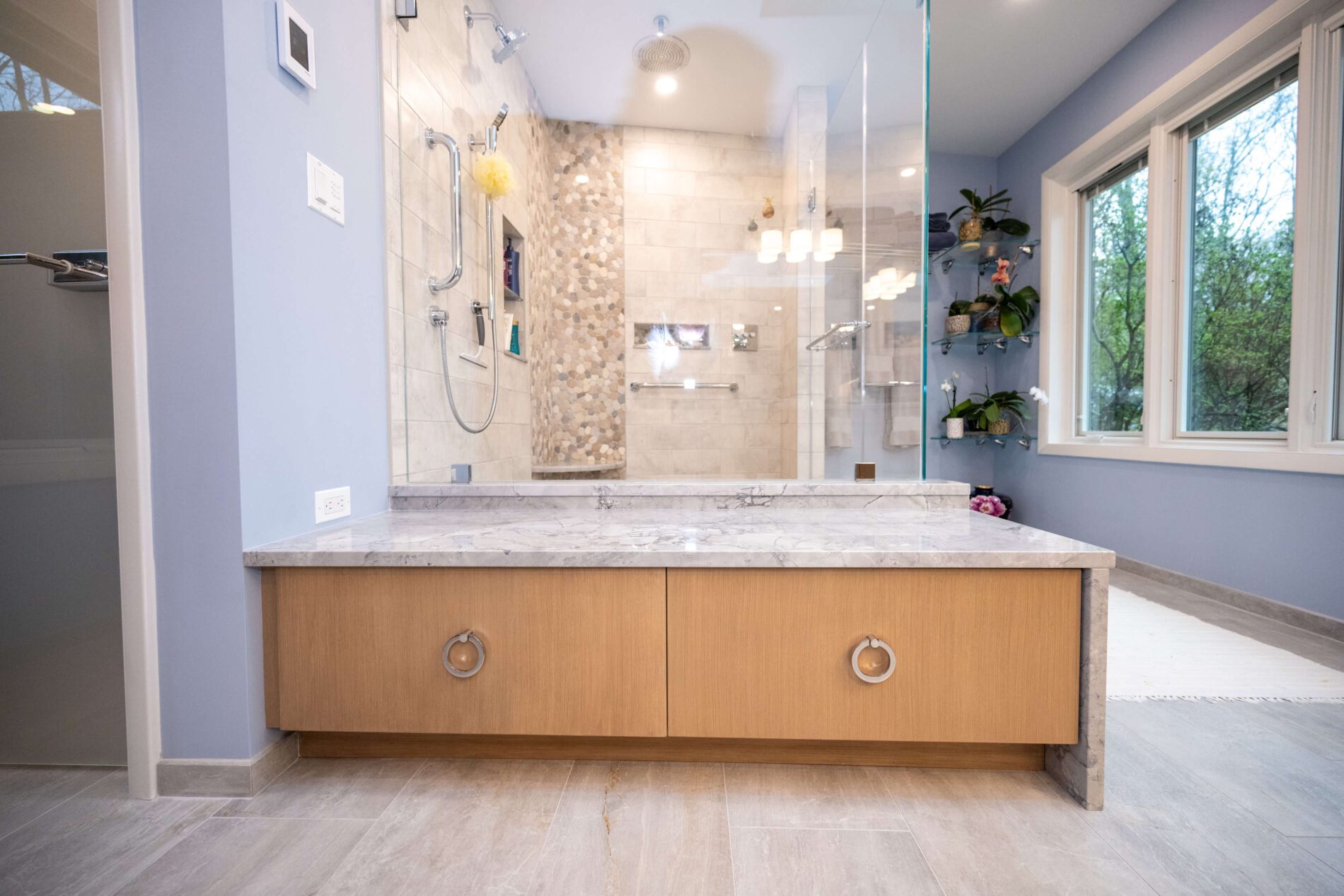
A client recently asked about adding on to create a spacious primary suite. After reviewing the layout, we saw the square footage already existed. It was just divided into several small rooms. By uniting those spaces, we created the open, luxurious suite they envisioned without expanding the footprint.
Opening a Choppy Kitchen
Another homeowner planned to bump out the back of the house for a bigger kitchen. But the real issue was how isolated and segmented the rooms were. Removing walls and adjusting the layout created a wide, functional kitchen with better flow, which meant no addition required.
In both cases, the homeowners achieved everything they wanted at a lower cost, with less disruption to their yard and property.
7. The Best Decision Comes from a Clear, Honest Evaluation
Choosing between adding on or reconfiguring space isn’t always obvious. That’s why the first—and most important—step is a thoughtful assessment of the home and how the family lives within it.
Related Reading: Home Expansion Alternatives: Creative Solutions for More Space
At Northwood Construction, our job isn’t to upsell homeowners on the biggest project. It’s to guide them toward the smartest one. Whether that means reworking the layout or building a well-designed addition, we help you invest wisely and confidently in your home.
If you’d like help exploring what’s possible with your home—whether that means reconfiguring or adding on—we’re here to guide you to the right solution. Contact us to schedule a consultation.