
Home remodeling preparedness is often the silent variable that determines whether a renovation feels like a rewarding transformation or an overwhelming ordeal. For many homeowners in Northern Virginia, a remodel isn’t a quick “fix-and-flip” project; it is a deep investment in your home. When you plan to live in a space for the next ten or twenty years, the stakes for getting the process right are significantly higher.
At Northwood Construction, we believe that education and transparency are the foundation of a successful partnership. Over decades of guiding Northern Virginia homeowners through any renovation, big or small, we have witnessed firsthand what separates a stressful project from a seamless one. The most critical factor isn’t just the floor plan or shopping for materials—it’s the psychological and emotional readiness required for a major home evolution. We’ve distilled years of client experiences and ‘lessons learned’ into this guide to help you prepare for the journey ahead.
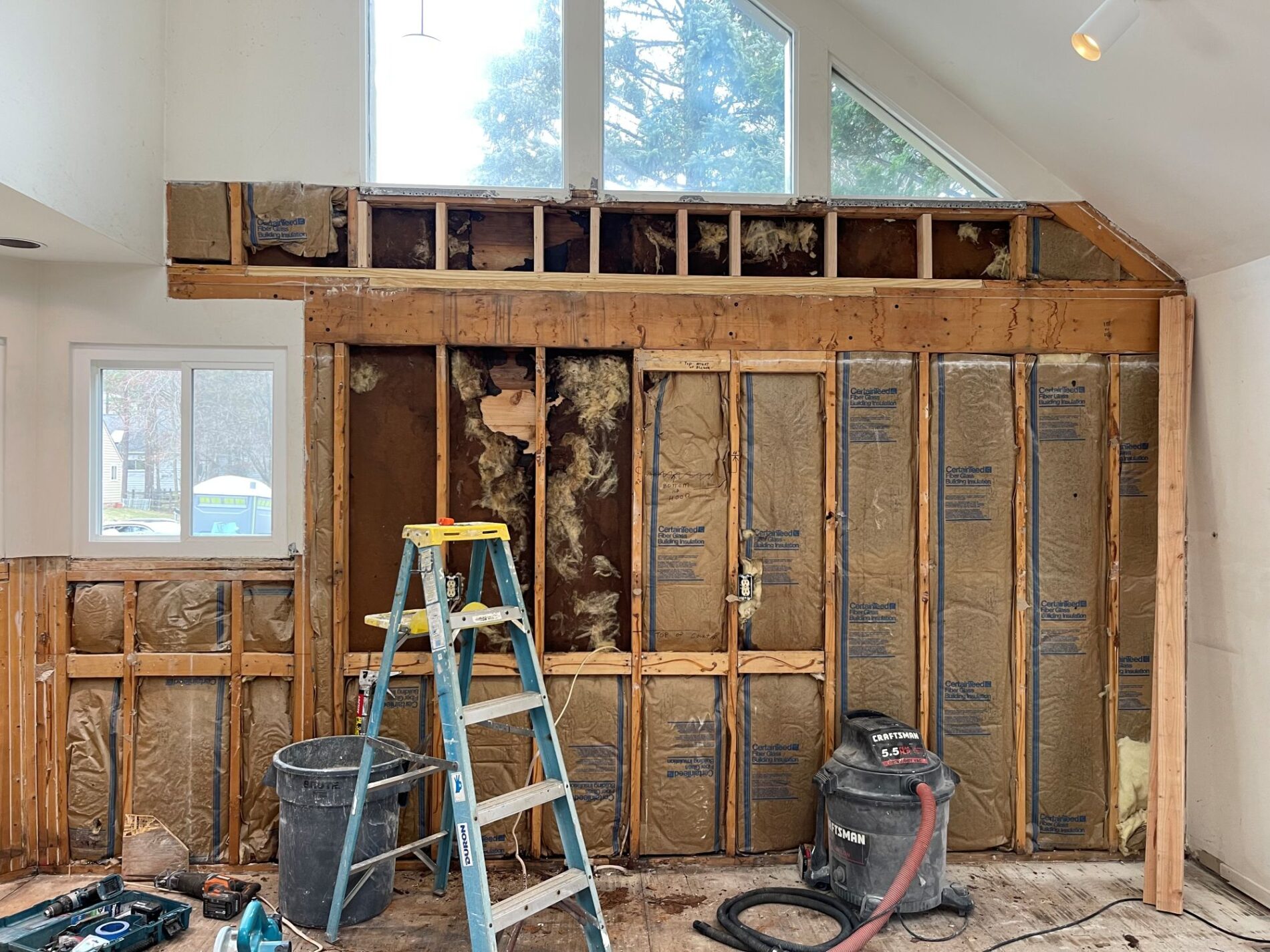
How to Assess Your Psychological Endurance Before Construction
The most successful projects begin with an honest assessment of your mental and emotional bandwidth. As one Northwood employee aptly put it, “Everybody has their level of psychological endurance.”
True home remodeling preparedness starts by asking yourself: Can you truly live through months of dust, constant noise, and a revolving door of tradespeople?
While “toughing it out” to save on temporary housing is a common instinct, the reality of living without a primary suite or a quiet space to work can take a significant mental toll.
Consider a hybrid approach. Many of our clients choose to stay off-site during “high-impact” phases—such as demolition, floor sanding, or major structural changes—and return once the project reaches the “cleaner” installation phases. An early, realistic assessment of your endurance helps you budget for a short-term rental or hotel stay before you reach a breaking point.
Related: Where to Stay During a Renovation: At Home or Elsewhere?
Managing Relationship Stress and Family Communication During a Remodel
A major renovation is a stress test for household dynamics. Before you begin, it is vital that all decision-makers are on the same page regarding the vision, the budget, and the “disruption plan.” Remodeling requires a high volume of quick decisions. If couples haven’t discussed their priorities in advance, these decisions can become flashpoints for conflict.
“A common reflection among those who have successfully navigated long-term remodels is the realization that your project team becomes a fixture of your daily life,” notes Bob Benedict, President and Owner of Northwood Construction. “Success often hinges on being genuinely comfortable with how that team communicates and handles the day-to-day realities of your home.”
This is a critical component of home remodeling preparedness that we cannot stress enough: You aren’t just hiring a remodeler; you are choosing a temporary partner in your daily life.
If a contractor’s communication style doesn’t mesh with yours during the meet and greet phase, that friction will only amplify when a logistical challenge arises mid-project. Plan for moments of disagreement and agree on a “conflict resolution” strategy for the household before the project starts.
Strategic Scope: Avoiding the “While We’re At It” Trap
In Northern Virginia’s competitive housing market, homeowners often realize that the most cost-effective way to get their dream home is to expand their current footprint–by improving instead of moving. This often leads to strategic project expansion (i.e., a multiple-room renovation).
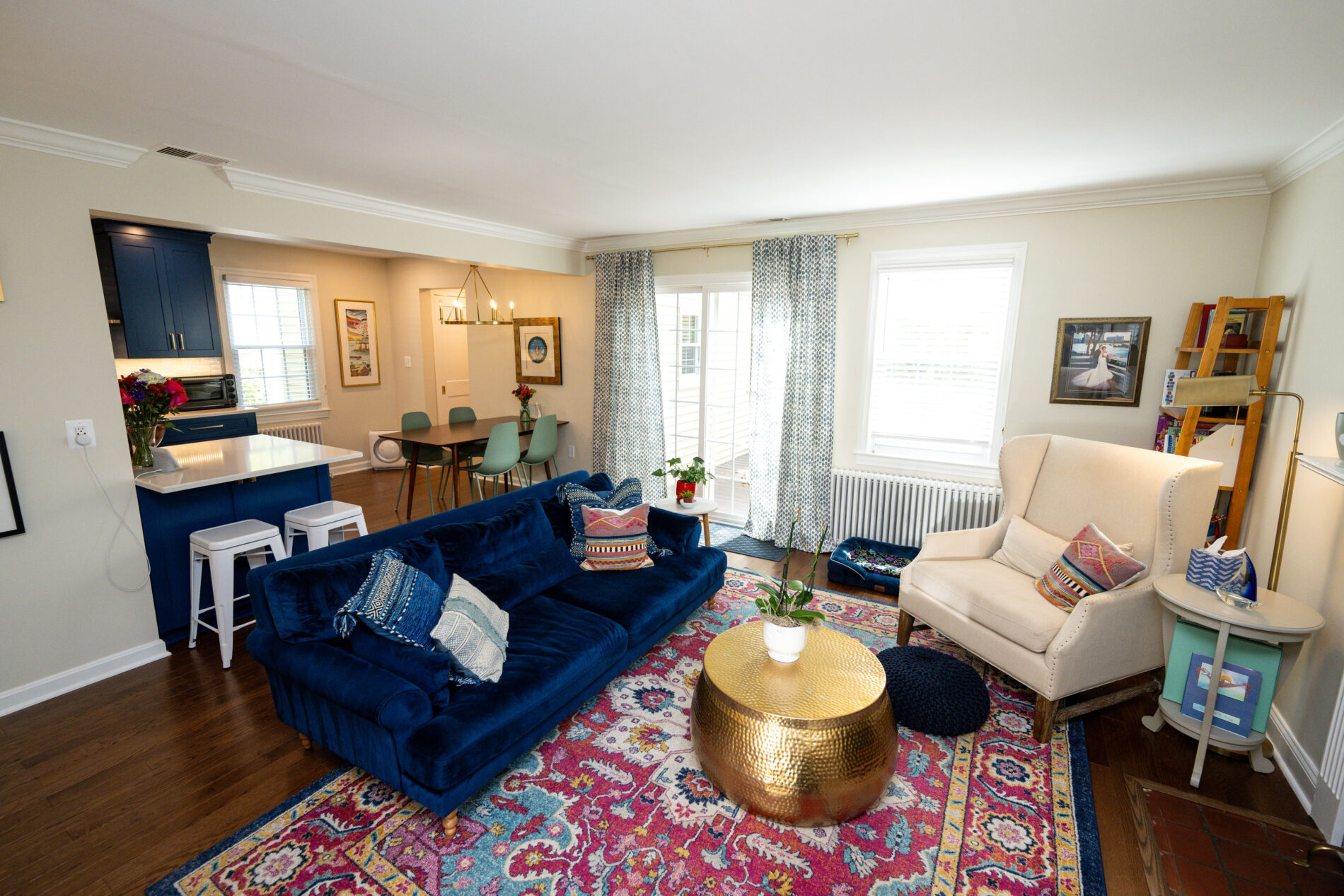
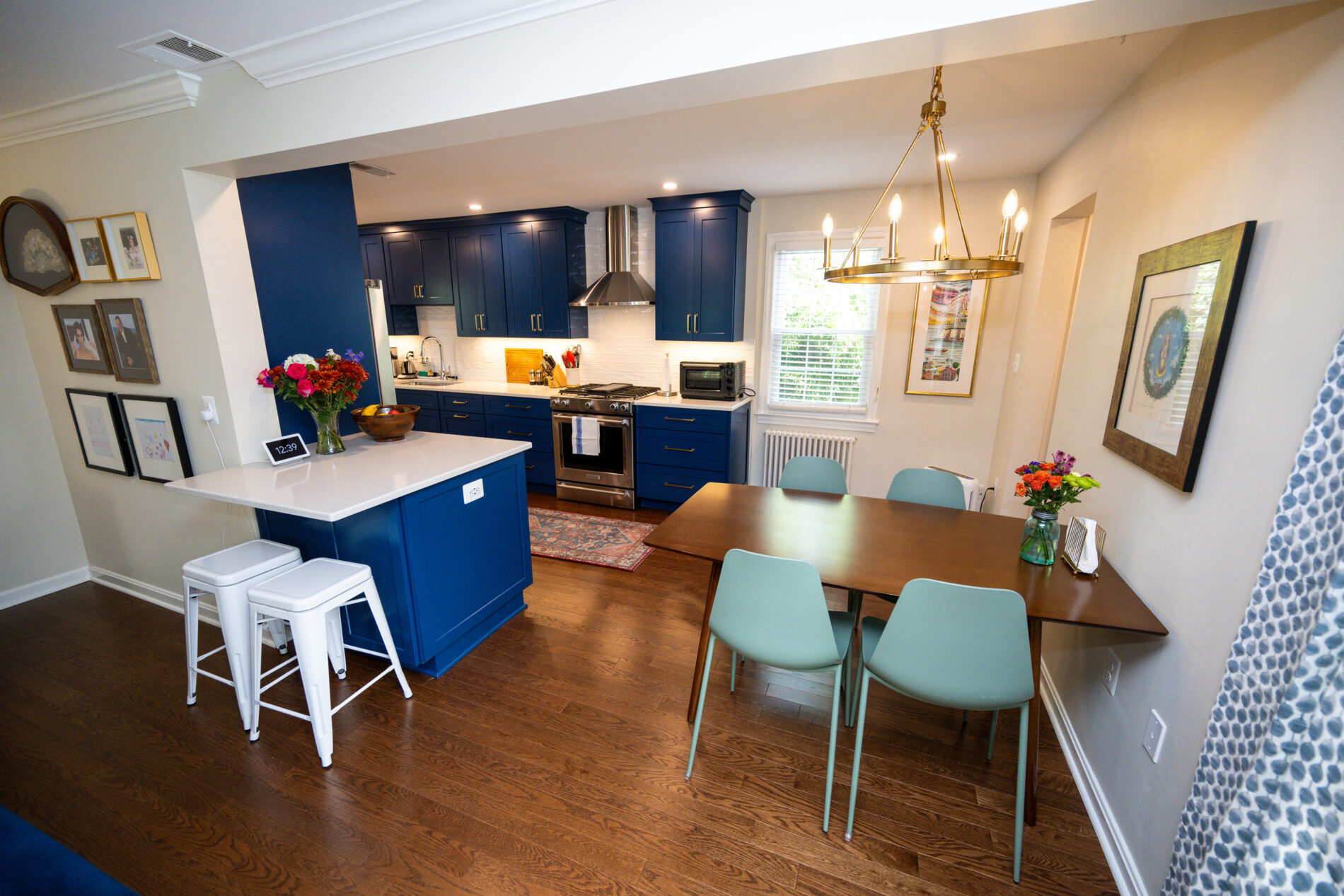
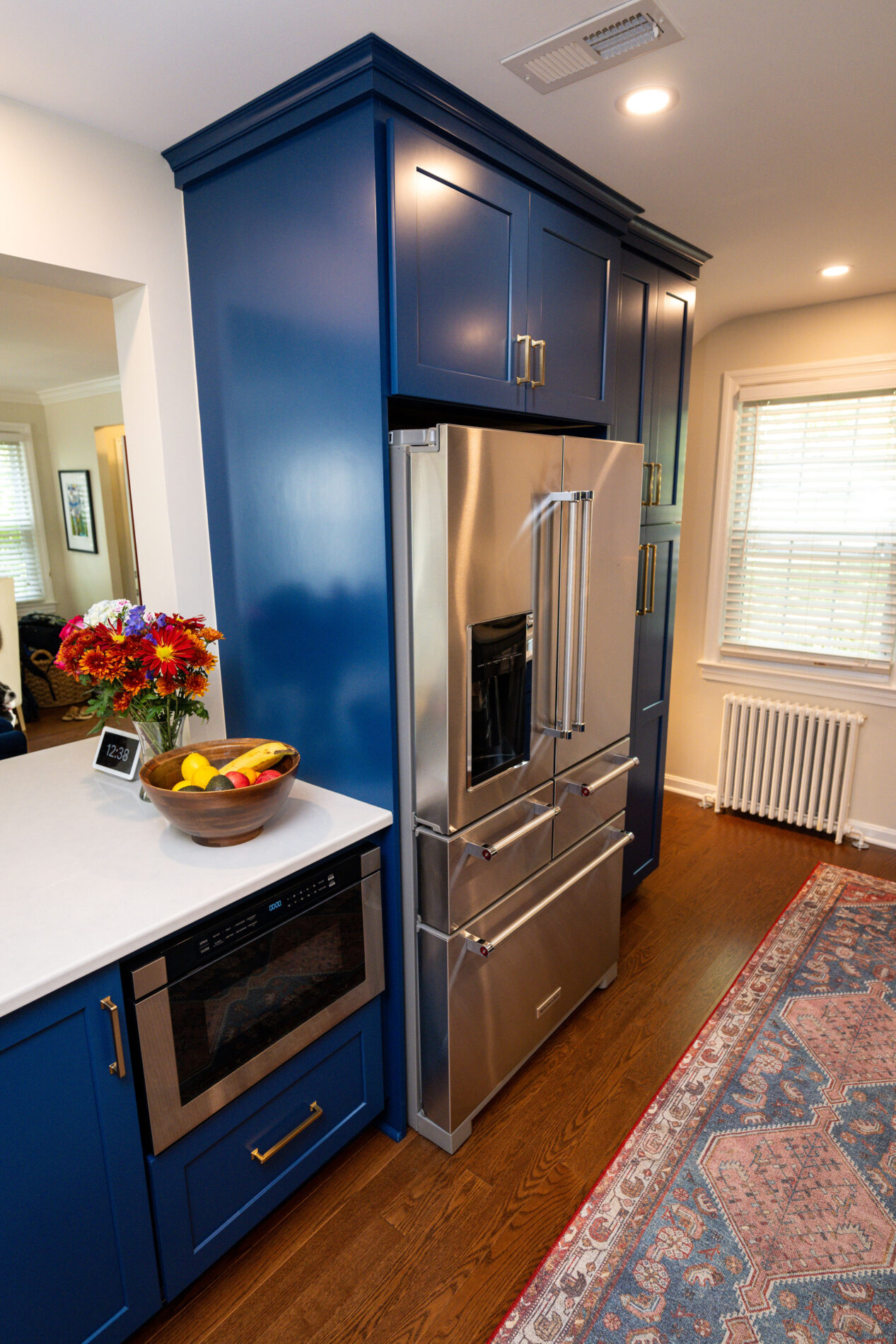
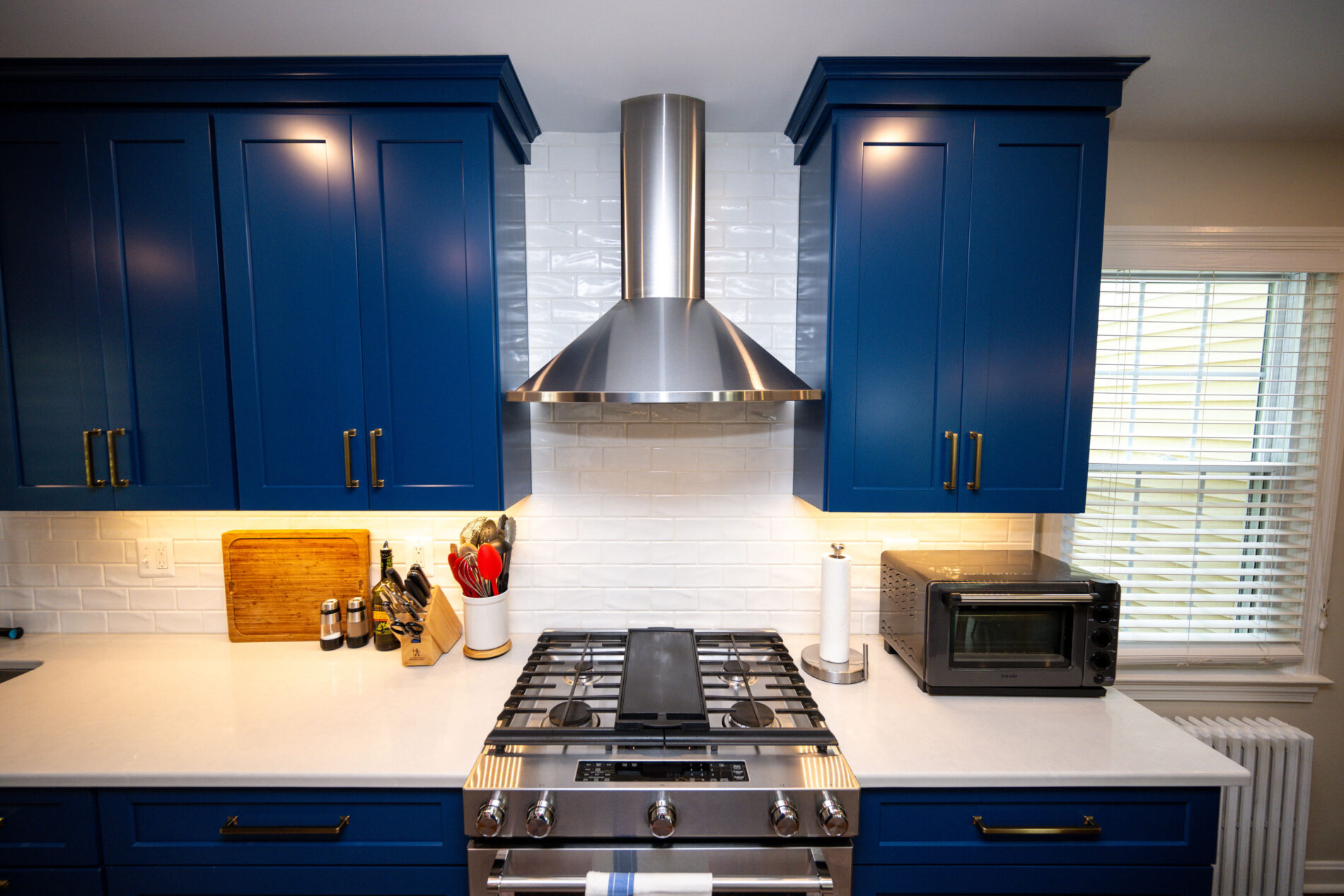
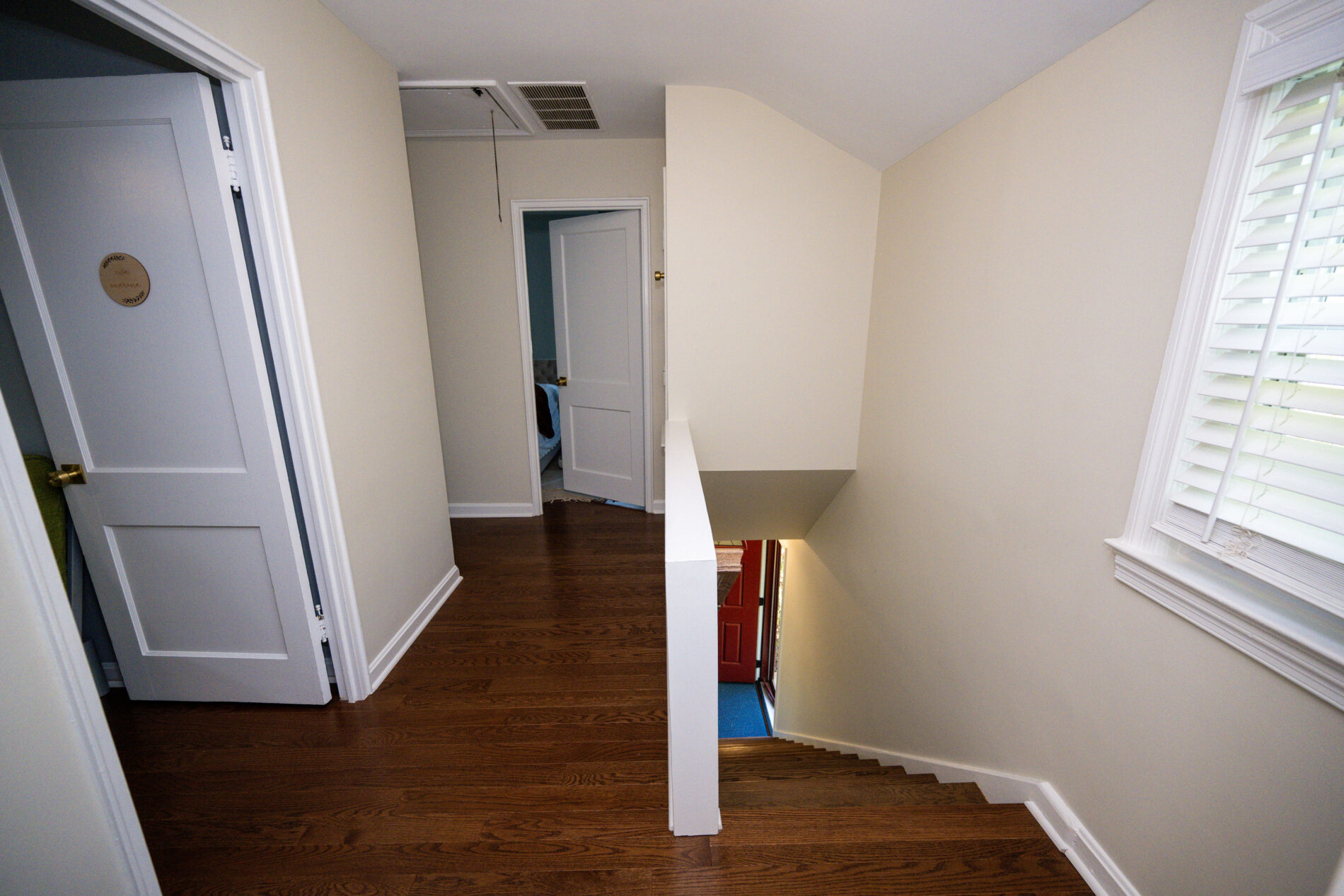
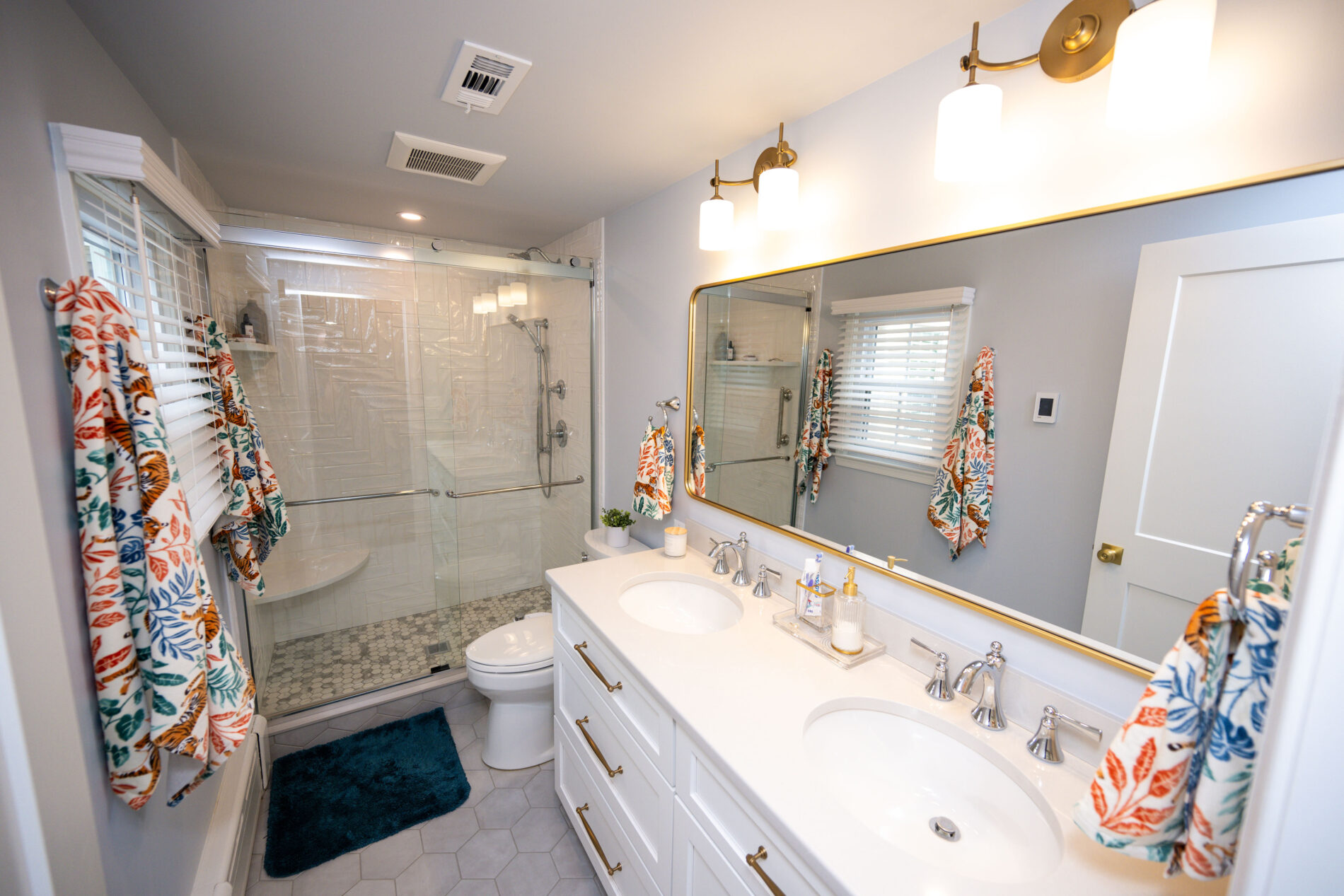
A perfect example of a multi-room renovation project is our Arlington multi-level remodel (photos below), where the homeowners successfully navigated a complex, whole-home transformation. By identifying their needs across multiple floors during the design phase, we were able to create their ‘forever home’ rather than a series of disjointed projects.
From a home remodeling preparedness standpoint, bundling these projects is often a smart move, especially if you are planning to stay in your home long-term, as it maximizes the efficiency of having a crew and permits already in place.
By working through these “while we’re at it” scenarios during design, you can minimize change orders and ensure your timeline remains intact. Planning for this “buffer” early ensures you have the financial and mental space to say yes to smart, long-term investments without the stress of mid-stream surprises.
Planning Your Forever Home: Universal Design and Long-Term Value
When you are remodeling for long-term residency, you aren’t just designing for who you are today; you are designing for your future self. This is where the distinction between a “renovation” and “future-proofing” becomes clear.
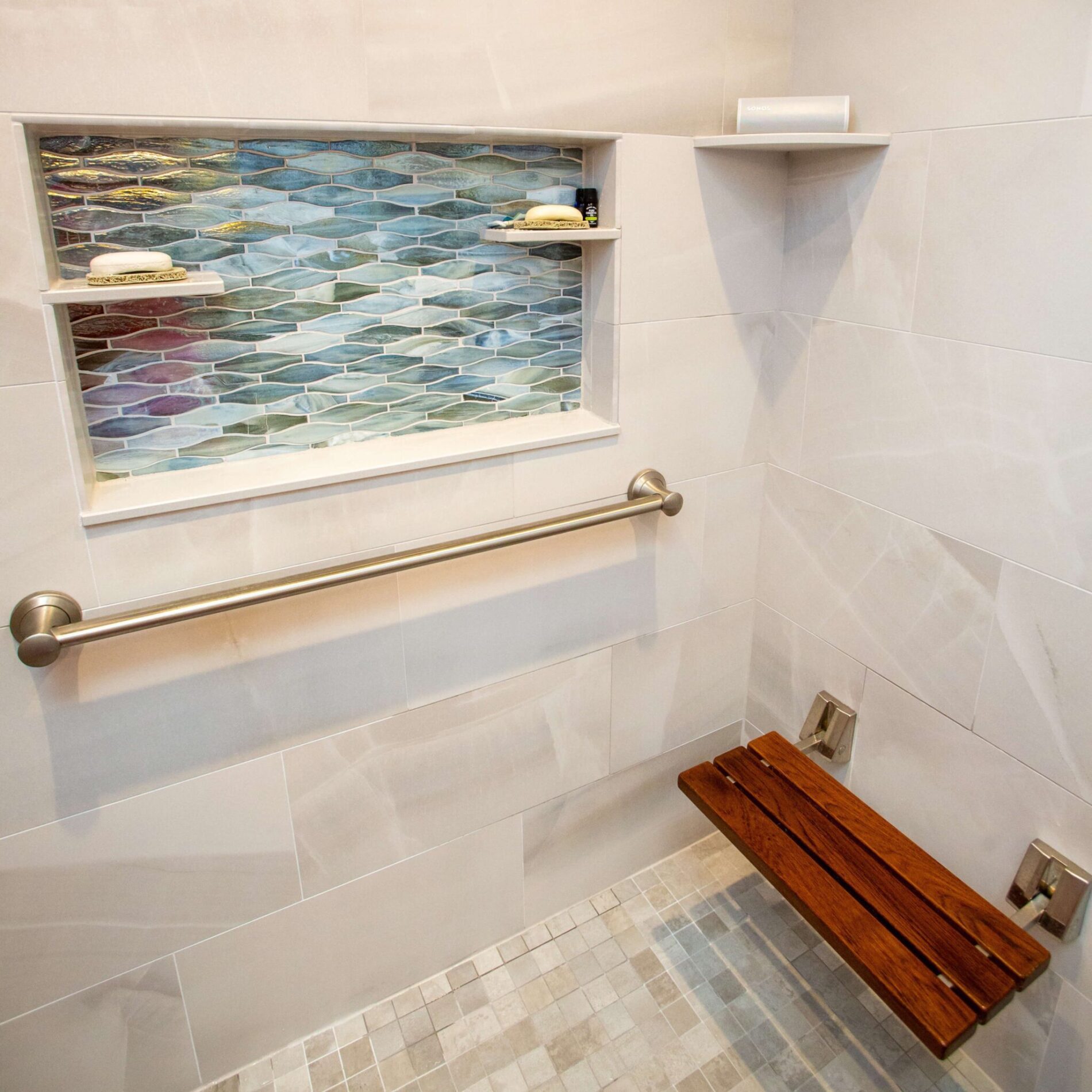
Universal design—features like zero-entry showers, wider doorways, and reinforced blocking for future grab bars—is a hallmark of smart home remodeling preparedness. Our clients have found that “white glove” design services are invaluable here. Having a professional guide you through product selection ensures that these functional upgrades don’t look clinical, but rather like a cohesive, high-end evolution of your home’s aesthetic that will remain functional for decades.
Essential Remodeling Logistics: Protecting Your Kitchen and Bathroom Access
Logistical preparedness is the final piece of the puzzle. If you choose to remain in your home during construction, you must protect your “non-negotiable” facilities to maintain your quality of life.
- The Bathroom Rule: Always ensure at least one full bathroom remains 100% functional for showering and privacy.
- The Temporary Kitchen: Moving a refrigerator and microwave to a garage is a start, but consider the “social cost” of losing your gathering space. Plan for a temporary “coffee and prep” station in a clean area of the house. Try out small appliances you’ve been itching to give a go – like an air fryer or induction hot plates.
- Protecting the Vulnerable: For households with young children or pets, preparedness means installing temporary dust and physical barriers (such as ZipWalls) and HEPA air filtration. These measures protect those with sensitive respiratory systems and help maintain a sense of routine amidst the chaos.
The Value of an Educated Partnership
Ultimately, the most successful remodels are those where the homeowner and the remodeling team move in lockstep. At Northwood Construction, our goal is to ensure that the “emotional journey” of your remodel is as well-constructed as the physical one. Whether you are in the early dreaming stages or are ready to dive into the details of a major addition, taking the time to prepare mentally and logistically is the best way to ensure your “forever home” is a place of peace, not just a place of projects.
Ready to see if your household is prepared for the journey? Take our “Ready to Remodel” Quiz or contact our team today to discuss how we can help you plan your next long-term home transformation.